

Newsroom·Massachusetts Legislature·News
Judge Bars Plymouth’s Insurance Demand but Says Town Owes No Stage
A Thanksgiving gathering of grief on Cole's Hill can go ahead without a permit or insurance, but Plymouth doesn't have to set up its stage, a judge ruled Tuesday. The Day of Mourning is Thursday, November 26, at noon.
 Pastora Tori Matthews
The National Day of Mourning will gather on Cole’s Hill at noon Thursday without a town permit or an insurance policy, but Plymouth doesn’t have to set up a stage for it, a Massachusetts judge ruled Tuesday, November 24. The Plymouth ruling, from Plymouth Superior Court Judge Brian Glenny, found that the 1998 agreement between the town and United American Indians of New England (UAINE) still binds, and that the town can’t require permits, insurance, a bond or indemnification for the gathering, the Plymouth Independent reported.
The Plymouth ruling is split. In the same 10-page decision, the judge denied the injunction UAINE asked for and found the town has no duty to provide a stage. So Thursday’s gathering goes ahead on the terms both sides signed 28 years ago, and any stage on the hill will come from somewhere other than a court order. UAINE says it’s evaluating its legal options.
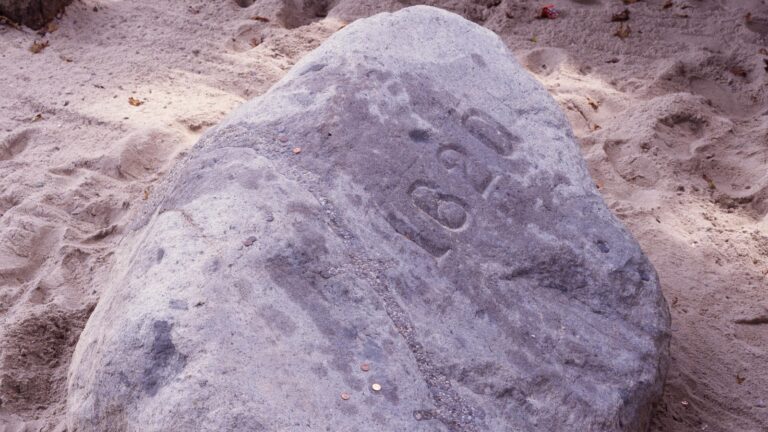 News · 23 Nov 2026Judge Weighs Plymouth Day of Mourning Dispute Before ThanksgivingA Thanksgiving gathering held in Plymouth every year since 1970 is now in a judge's hands. On November 23, 2026, a Superior Court judge heard the…
 News · 22 Nov 2026Supreme Court Asked to Bar Suing Protest Leaders for Others' ViolenceCan someone who leads a protest be made to pay for a stranger's violence? DeRay Mckesson asked the Supreme Court on Friday to say no. The appeals…
 News · 20 Nov 2026Judge Blocks Connecticut's ICE Mask Ban and Use-of-Force LawConnecticut can't make federal immigration agents unmask, wear a name tag or answer to state prosecutors for deadly force, a federal judge ruled…
 News · 19 Nov 2026FIU Drops Charges Against Seven Students Over Silent ICE ProtestFlorida International University dropped misconduct charges against seven students who stood in silence wearing "ICE OFF FIU" shirts, and wiped the…
01
The Plymouth ruling at a glance
- The court: Plymouth Superior Court, Judge Brian Glenny, ruling Tuesday, November 24, 2026, the day after the hearing Bloom reported on Monday.
- The parties: UAINE and its co-leader, Mahtowin Munro, against the Town of Plymouth.
- What UAINE won: The 1998 agreement remains “binding and valid” in most other respects, and the town can’t require permits, insurance, a bond or indemnification.
- What UAINE didn’t win: The injunction it asked for, and a ruling that the town must provide a stage.
- Who brings a stage: The court said UAINE and Munro “have the option of providing their own stage,” a town statement quoted.
- What UAINE says: It’s reviewing the Plymouth ruling and evaluating its legal options.
- Thursday: The 57th National Day of Mourning, at noon on Cole’s Hill, Thursday, November 26.
02
What Judge Brian Glenny decided
The Plymouth ruling answers two questions, and it answers them in opposite directions. Does the 1998 agreement still bind Plymouth? Yes: Glenny ruled it remains “binding and valid” in most respects, the Independent reported. Must the town provide a stage for the speeches? No.
Boston.com, citing court documents, reported that the Plymouth ruling lets UAINE keep holding its annual demonstration and march under the 1998 settlement. That’s despite a recent Select Board vote that, according to UAINE, amounted to breaking the agreement. Glenny also affirmed that the town can’t require insurance or permits, Boston.com reported.
The Independent’s summary is the fairest short version of the Plymouth ruling: the judge “handed each side a partial victory.”
03
Why the Plymouth ruling says the town owes no stage
The stage question turned on one piece of equipment. In the 1998 agreement, Plymouth agreed to make its showmobile, a mobile stage, available to UAINE for the Day of Mourning speeches. That showmobile is no longer operable, the judge wrote, and the promise to make it available doesn’t mean the town must provide another one, according to the Independent.
“Therefore it can no longer be consideration in the interpretation of the agreement,” Glenny wrote. Boston.com described the reasoning the same way: the reference to a showmobile no longer applies because the equipment is no longer used.
The judge also found that the agreement barely mentions a stage, the Independent reported. From there, the Plymouth ruling concludes: “Plymouth has no obligation under the agreement to provide a stage for UAINE.”
UAINE reads the agreement differently. Its statement says the ruling rests on “a one-word technicality the Town never raised for over a decade.” The town has provided a stage ever since the 1998 settlement, the Independent reported, and for UAINE, that long practice is part of what the promise meant.
04
No permit, no insurance, no bond: what still binds Plymouth
The other half of the Plymouth ruling is the half the town pressed hardest this fall. On November 10, the Select Board voted unanimously behind closed doors to authorize town officials to ask UAINE for an insurance policy, as the town does for all other events on town property, the Independent reported. This year the town also insisted the group indemnify it if anything went wrong.
Judge Brian Glenny closed that door. “The town cannot require permits, insurance, financial bond or any indemnification by the town,” he wrote, according to the Independent.
That tracks the first term of the 1998 agreement. UAINE may hold a demonstration, which may include a march, between noon and 3 PM every Thanksgiving Day, beginning at Cole’s Hill, and Plymouth “will not require UAINE to apply for a permit” to do it. When UAINE announced the settlement in 1998, it said its right to demonstrate on Cole’s Hill and march in Plymouth was “recognized in perpetuity without the requirement of a permit.”
05
The order Judge Glenny declined to issue
UAINE came to court asking for more than a declaration. It wanted an order. Boston.com reported that the judge denied UAINE’s request for an order that would have explicitly required the town to keep upholding the agreement and kept it from backing out of the deal. The Independent described the 10-page decision as denying the group’s request for an injunction against the town.
Part of the Plymouth ruling’s reasoning, as the town quoted it, was about harm. Courts grant this kind of emergency order to stop harm that can’t be undone later. The court found UAINE and Munro “will not be irreparably harmed by the failure to issue the injunction,” because they “have the option of providing their own stage,” according to a statement from Select Board Chair Deb Iaquinto reported by Boston.com and Boston 25 News.
UAINE’s statement says it disagrees with what it calls Glenny’s “preliminary finding about the town’s obligation to provide a stage,” the Independent reported. That word, preliminary, is UAINE’s, and it signals the group doesn’t see the question as closed.
06
What the 1998 agreement says about a stage UAINE brings
There’s a sentence in the 1998 agreement that may matter more on Thursday than the showmobile does. The same clause that promises the showmobile goes on: if UAINE elects to provide its own stage and sound system, Plymouth “will cooperate to facilitate its installation and powering on the Day of Mourning.” That’s the text UAINE publishes with its October 19, 1998 statement on the settlement.
Reports on the Plymouth ruling don’t say how Judge Glenny treated that sentence, and Bloom hasn’t seen the order. We won’t guess; we’ll report it when the order or the parties say.
The town has pointed to other options. In her statement Tuesday night, Iaquinto said that since January 2026 the town had suggested alternatives, including UAINE buying or renting a stage, or using the existing concrete stage on Department of Conservation and Recreation property, Boston.com reported. Olly deMacedo, who organizes the town’s Thanksgiving parade, offered last week to provide a stage and insurance; as of earlier this week, UAINE hadn’t accepted, the Independent reported.
07
What Plymouth says after the Plymouth ruling
“The town remains committed to supporting the National Day of Mourning,” Iaquinto said in a statement after the Plymouth ruling, according to the Independent. “The town has tried to work collaboratively to support UAINE’s rights to free speech and assembly.”
The same statement held the town’s line on the stage: “the town erecting a stage was never promised or mandated under the original 1998 agreement.” Last week, the town said it had “made repeated efforts” to reach an agreement with UAINE about the stage and had “offered multiple alternatives for a stage,” but UAINE hadn’t agreed to any of them, Boston.com reported.
The town has said all along that it supports the Day of Mourning itself, and the Plymouth ruling gives it the answer it wanted on the stage. It also rules out the insurance condition the Select Board sought on November 10.
08
What UAINE says about the Plymouth ruling
UAINE says the Day of Mourning goes on. “We are focused on our preparations and moving ahead with what will be our 57th National Day of Mourning,” its officials told Boston.com.
The group’s statement was sharp about the town. “Settlers frequently break their agreements with Indigenous peoples,” it said. It called the Select Board’s vote “an outrageous choice that absolutely no one was forcing Plymouth to make.” And it made its contract argument in plain words: “Contracts do not end on the day they are signed.” Each party, the statement said, has a duty to engage with the other in good faith and to deal fairly, and “Plymouth has not done so.”
UAINE is “continuing to review the ruling and evaluate its legal options,” its statement said, according to the Independent. That’s all it has said about next steps. Bloom won’t guess at an appeal or any other move; when UAINE announces one, we’ll report it.
09
The ASL interpreter and who gets to see the words
Access is the part of this dispute that’s easiest to miss. UAINE’s lawyers told the court that the stage is essential so speakers, including elders, can be seen and heard, and that “the visibility of UAINE’s certified ASL interpreter depends on the stage,” Boston.com reported. The group’s 2026 orientation promises “amazing ASL interpreters on-stage.”
For a Deaf participant, an ASL interpreter who can’t be seen isn’t really there. Sign language is read with the eyes, and on a crowded hillside a raised platform can be the difference between following the prayers and speeches and standing through them in silence.
The Plymouth ruling doesn’t decide whether the ASL interpreter will be visible on Thursday. It decides who’s responsible for the platform: not the town, under the agreement as the judge read it. Reports on the Plymouth ruling don’t describe any disability-access claim; UAINE brought its case on the 1998 agreement and on free speech, as Bloom reported from Monday’s hearing. If you’re Deaf or hard of hearing and plan to attend, watch UAINE’s updates for where the interpreter will stand.
10
The First Amendment question the Plymouth ruling leaves open
At Monday’s hearing, UAINE’s lawyer argued that the insurance requirement made the group pay a fee as a prerequisite to exercising its First Amendment rights, Bloom reported. The town said liability, not the message, was its concern.
Reports on the Plymouth ruling place the insurance holding next to the finding that the 1998 agreement still binds. Neither Boston.com nor the Independent says whether Judge Glenny reached the free-speech argument. That difference matters beyond Plymouth. A contract ruling protects this gathering under this agreement; a constitutional ruling would speak to anyone who wants to gather and speak in a public place.
Who pays when people gather to protest is a live question elsewhere, too. On November 22, Bloom reported that the Supreme Court has been asked to bar suing protest leaders for others’ violence. On November 19, we reported that FIU dropped charges against seven students over a silent protest.
11
What the Plymouth ruling means for Thursday on Cole’s Hill
For anyone planning to be there, here’s the heart of the Plymouth ruling: the gathering happens. No town permit is required, and the town can’t demand insurance, a bond or indemnification as a condition. UAINE says it’s moving ahead with its 57th National Day of Mourning.
What the reports don’t settle is the stage itself. The town isn’t required to provide one. The court said UAINE can bring its own, the parade organizer offered one last week, and the town has pointed to the concrete stage on state conservation land. As of Tuesday night, none of the reports said which, if any, UAINE will use.
Thousands have attended in past years, the Independent reported, and UAINE says the gathering draws more than a thousand people. Whatever stands on Cole’s Hill at noon, the people will be standing there too.
12
If you plan to attend the Day of Mourning
UAINE’s 2026 orientation, posted before the Plymouth ruling, sets out what to expect. The gathering begins at 12 noon sharp on Cole’s Hill, the hill above Plymouth Rock in the historic waterfront area, and the rallies and marches last until about 3 PM. A march through the historic district follows the speeches.
It’s a day when only Indigenous people speak, and speakers are by invitation only. Non-Native supporters are welcome to join. UAINE asks people not to sell merchandise or hand out leaflets at the outdoor program, and not to eat during the speak-out and march unless they must for medical reasons, out of respect for those who are fasting.
UAINE says it has some chairs for elders and others who need to sit during the rally, and will try to have a couple of cars for people who can’t walk the full march route. It asks everyone to wear a mask and to dress for the weather. Box lunches, turkey and vegan, will be handed out after the march. If you can’t get to Plymouth, UAINE says the day will be livestreamed, and its Facebook group will carry updates faster than its website.
13
Grief and remembrance on Thanksgiving Day
For many families, Thursday is a feast. For many Native people and those who stand with them, the same day is a day of mourning. UAINE’s orientation names what they mourn: their ancestors, the genocide of their peoples and the theft of their lands. It also says it’s a day when they feel their strength in action and solidarity.
Both of those can be true in one country on one afternoon, and it doesn’t take sides in a lawsuit to honor that. A judge can decide who owes a stage. No court decides whether grief is real.
If you’re Indigenous and this week has felt heavy, your grief isn’t an interruption of anyone’s holiday. It’s memory, and memory is sacred. If you’re not, and you go to Cole’s Hill, go to listen. Stand where you won’t block anyone’s view of the speakers or the interpreter. Let the silence of those who are fasting set the pace.
Grief doesn’t need a permit. On Thursday, under the Plymouth ruling, neither does this gathering.
14
A timeline of the 1998 agreement and the Plymouth ruling
- 1970: The National Day of Mourning begins in Plymouth.
- November 27, 1997: Police confront the Day of Mourning, and 25 people are arrested.
- October 19, 1998: UAINE announces its settlement with Plymouth, including the 1998 agreement.
- 2025: After UAINE sues, Plymouth drops its permit and insurance demands.
- January 2026: The town says it began raising stage concerns with UAINE.
- November 10, 2026: The Select Board votes unanimously, behind closed doors, on an insurance request.
- November 23, 2026: Judge Brian Glenny hears arguments in Plymouth Superior Court.
- November 24, 2026: The Plymouth ruling: the agreement binds, no permit or insurance, no town stage.
- November 26, 2026: The 57th National Day of Mourning, at noon on Cole’s Hill.
15
What happens next
The Day of Mourning comes first: Thursday at noon. The Plymouth ruling decided UAINE’s emergency request days before Thanksgiving, and UAINE says it’s reviewing the Plymouth ruling and evaluating its legal options. The reports don’t say what further proceedings, if any, are scheduled.
Bloom hasn’t seen the text of the Plymouth ruling itself. The judge’s words in this report come from Boston.com and the Plymouth Independent, which quote it, and the court’s line about providing a stage comes from the town’s statement. When the order is available, we’ll read it and update this report.
16
What you can do
If you plan to be on Cole’s Hill Thursday, or you care about what happens there, these steps can help:
- Check for updates Thursday morning. UAINE says its Facebook group and event page will be updated more often than its website.
- Arrive before noon. The program starts at 12 noon sharp, and the rallies and march last until about 3 PM.
- Come to listen. Only Indigenous people speak. Don’t sell anything, hand out leaflets or eat during the program unless you must for medical reasons.
- Leave sightlines open. Stand where you won’t block the view of the speakers or the ASL interpreter.
- Ask for what you need. UAINE has some chairs for elders and others who need to sit, and will try to have cars for people who can’t walk the full route.
- Watch from home if you can’t travel. UAINE plans a livestream, linked in its orientation.
- Read the sources yourself. The 1998 agreement is published on UAINE’s website, and Boston.com and the Independent quote the Plymouth ruling.
- Take care of yourself. If the day brings up more than you can carry, call or text 988 at any hour.
17
Where to get help
Grief can rise hard on a holiday that carries painful history. If you’re struggling, call or text 988 at any hour. If anyone is hurt at any gathering, call 911.
Bloom’s crisis support page lists more people you can call, any day of the year.
18
What Bloom is doing
Bloom will read the full Plymouth ruling when it’s available and report what UAINE decides about its legal options, without guessing ahead of either. I believe access isn’t a courtesy offered when it’s convenient: when words are spoken for everyone, everyone should be able to see them.
This is a day of mourning. Faith in Bloom offers pastoral care with no condition attached, for anyone carrying grief into this holiday.
Reading court decisions so you don’t have to takes steady work. A monthly gift keeps it going, and a one-time gift helps too.
19
Frequently Asked Questions
Plymouth Superior Court Judge Brian Glenny ruled on November 24, 2026 that the 1998 agreement remains binding in most respects and that the town can’t require permits, insurance, a bond or indemnification. He also found the town has no obligation to provide a stage and denied UAINE’s request for an injunction.
No. Under the Plymouth ruling, as the Plymouth Independent reports it, the town can’t require permits, insurance, a financial bond or indemnification for the gathering.
No. The judge found that the agreement’s promise of the town’s showmobile doesn’t require it to provide another stage now that the showmobile is no longer operable.
Yes. The court said UAINE and Munro have the option of providing their own stage, according to the town’s statement. The 1998 agreement says the town will cooperate to install and power a stage UAINE provides, but the reports don’t say how the Plymouth ruling treats that clause.
UAINE says it’s reviewing the Plymouth ruling and evaluating its legal options. It hasn’t announced a decision.
UAINE’s lawyers told the court that the visibility of its certified ASL interpreter depends on the stage. Deaf participants need to see the interpreter to follow the speeches.
Thursday, November 26, 2026, at 12 noon sharp on Cole’s Hill in Plymouth, Massachusetts. UAINE plans a livestream for those who can’t attend.
Sovereignty over Servitude. 🌸
Support this work
Everything Bloom publishes is free to read and free to share.
Bloom Ministries is a registered 501(c)(3) in Salem, Oregon. Monthly giving is what lets us say yes before the money is in hand.
Keep reading
Massachusetts Legislature · 23 November 2026Judge Weighs Plymouth Day of Mourning Dispute Before Thanksgiving Massachusetts Legislature · 23 November 2026Massachusetts Sues ICE to Stop Warrantless Courthouse Arrests
 Legislation · 23 November 202621 States Sue HUD to Stop Housing Aid Cutoff for Mixed-Status Families
